
You shall have no other gods before Me… Exodus 20:3 NKJV
Divine Order sets forth the governing arrangement of relationships and interactions that humankind will experience. The first and most important of those relationships is relating to God. Here again is the definition of Divine Order.
Divine Order, which the Most High reveals through the Holy Scriptures, is the governing arrangement of humans in relation to God, each other, the natural realm, and the supernatural according to matters of sequence, original pattern, and prescribed methodology.
In the previous blog, we addressed the differences between directly relating to God and involving oneself with religious systems. There’s nothing inherently wrong with being a part of local assemblies of the Ekklesia, congregational meetings, and their related activities. However, far too often, these constructs somehow convey to believers that their devoted attendance, ministry involvement, and material support satisfies their obligation to God.
Remember the Bible story of Mary (Miriam) and Martha (Marta) in Luke 10:38-42. It is indeed possible to be busy about tangential things, with pure intentions, instead of prioritizing direct focus on the Lord Himself. The Living God wants your undivided attention infinitely more than He wants your works of service! It is not uncommon for religious obligation to become a “god” that separates us from the Most High! We shall have no other “gods” before Him.
Ideally, “church life” should provide a conducive environment to enhance one’s relationship with the Most High. Of course, whether that is true or not is dependent upon the assembly’s adherence to Scripture more so than religious traditions. Indisputably, the truest environment for believers to initiate, develop, and maintain relationship with God is to directly and independently seek Him!
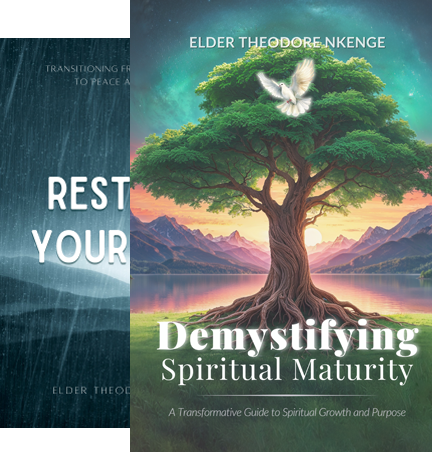
Isaiah 55:6 mandates that humans “seek God”. Chapter 3 of my book “Demystifying Spiritual Maturity” goes into precise detail concerning what that spiritual discipline entails. Seeking God is an active, overt exercise to acquaint oneself and interact with God, which enables revelation, focused self-reflection, obedience, humility, spiritual growth, reverent adoration, and true relationship with the Most High.
Very simply, if individuals read and study the Scriptures, talk with God (pray), and deny themselves (fast), that constitutes seeking God, and as a result, He will reveal Himself to them! Let’s give some consideration to each of these components of seeking God.
Bible Reading and Study… despite the seemingly endless efforts of our Enemy to discredit, distort, and diminish the Scripture, it is indeed God’s word. Do not primarily rely on published devotionals nor prepared Bible studies to absorb the Scriptures. Read the Bible for yourself in its entirety. It is less of a daunting task than it may initially seem. Just reading 3.26 chapters per day will result in completing the Bible in 365 days! If you want to relate to God and not just distantly appease Him, consistently reading and studying the Bible is mandatory.
Don’t read the Scriptures with preconceived notions. Let the Scriptures introduce you to who God is, what He wants, and how He inevitably achieves His will. You cannot effectively relate to the Most High solely based on the viewpoint of contemporaries. Seeking the Living God through His word is more important than everything else that humanity obsesses over. (Matthew 4:4)
Talking with God (Prayer)… we were created by the Most High to be compatible for communion with Him. We were designed to talk with and hear from the Living God. Prayer invites God to interact with us in ways that cleanse us, instruct us, validate us, and give us Divine purpose. In response to us talking with Him, our Father will, at times, respond with such specific precision and detail that confirmation of our relationship and His love for us is undeniable. There is no such thing as an authentic relationship without communication. (Jeremiah 33:3)
Self-Denial (Fasting)… abstaining from food or other activities to prioritize God’s will deepens our commitment and sensitivity to Him and our relationship. The fallen human nature often “wills” or desires to act in ways that contradict the will of God. Fasting or denying ourselves something we enjoy is the methodology to weaken the fallen nature’s domination and strengthen our desire to more faithfully relate to God. (Matthew 16:24-25)
Again, for further information about these components of seeking God, see chapter 3 of “Demystifying Spiritual Maturity”.
These spiritual disciplines – Bible Reading/Study, Prayer, & Self-Denial – are the environment that initiate, develop, and maintain relating to God. Congregational activities and meetings should augment the environment but cannot effectively replace it!
In the next and concluding blog about “relating to God”, we’ll examine some benefits of frequenting the environment that initiates, develops, and maintains your relationship with the Most High!
Grace and Peace to you!
Elder Theodore Nkenge